
For many homebuyers, homeowners insurance feels like a final step before closing. In coastal markets like Charleston, it is actually one of the most important parts of the transaction. Insurance requirements, hurricane deductibles, flood zones, and even the timing of storms can all affect whether a property can close on schedule. Understanding these challenges early can make the buying process significantly smoother.
Why Insurance Is a Critical Step in the Home Buying Process
Most mortgage lenders require homeowners insurance before a loan can close. That means buyers must have a policy fully approved and bound before closing day.
In many parts of the country, this step is straightforward. In coastal markets like Charleston, it can require a bit more planning.
Insurance companies evaluate several factors when determining whether they will insure a property:
• Distance from the coast
• Flood zone classification
• Age of the roof
• Construction type
• Previous claims history
• Wind and hurricane exposure
Because Charleston sits along the Atlantic coast, many homes require additional considerations that buyers relocating from inland markets may not be familiar with.
The Named Storm Insurance Freeze
One of the most surprising issues for buyers occurs during hurricane season.
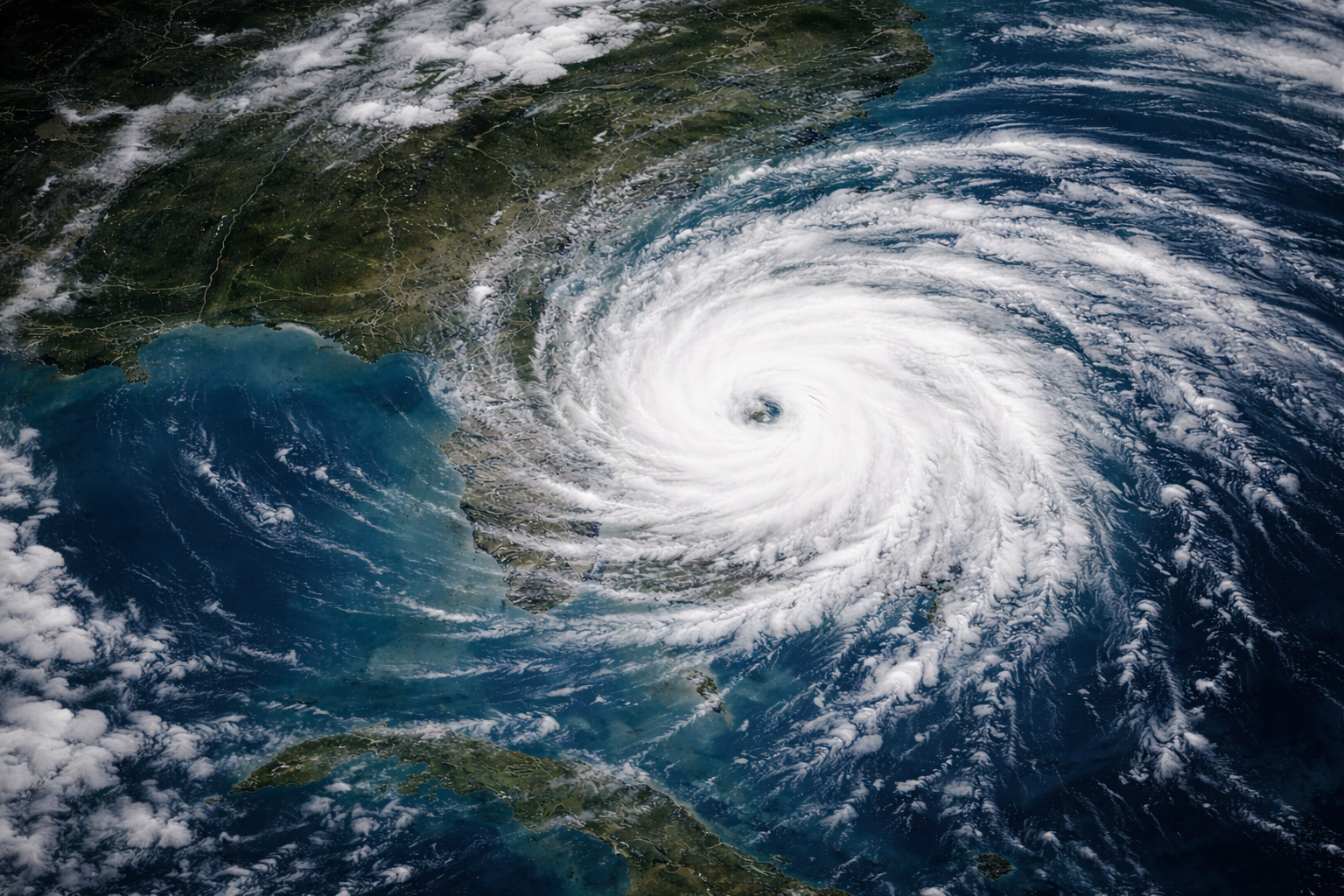
When a tropical storm or hurricane is officially named and projected to affect a region, insurance companies often place what is called a binding moratorium.
A binding moratorium temporarily pauses the ability to:
• Issue new homeowners’ policies
• Increase coverage on existing policies
• Switch insurance providers
Insurance carriers use this rule to prevent last minute policies being written when a storm is already approaching.
If a storm is named while a buyer is under contract and the insurance policy has not yet been bound, the closing may need to be delayed until the moratorium is lifted.
In other words, waiting until the last minute to arrange insurance can create real problems during hurricane season.
Real estate professionals across coastal markets often encourage buyers to begin the insurance process early for this reason.
Wind and Hurricane Deductibles
Another unique aspect of coastal insurance involves wind or hurricane deductibles.
Unlike standard deductibles that might be a fixed amount, such as one thousand dollars, hurricane deductibles are often calculated as a percentage of the insured value of the home.
In many coastal areas of South Carolina, these deductibles typically range between one percent and five percent of the insured value.
For example:
A home insured for $500,000 with a 3 percent wind deductible could require the homeowner to cover the first $15,000 of storm-related damage before insurance begins paying.
Understanding these details ahead of time helps buyers make more informed decisions about risk and coverage.
Flood Insurance Considerations
Many homes in the Charleston area are located within FEMA flood zones.
Standard homeowners’ insurance policies typically cover wind damage but do not cover flooding. Separate flood insurance policies are often required for homes located in designated flood zones.
Flood policies may also include waiting periods before coverage becomes active. This is another reason buyers should start the insurance process early in the transaction.
Why Insurance Planning Should Start Early
Because insurance can affect the closing timeline, many experienced real estate professionals recommend beginning the insurance conversation soon after going under contract.
Starting early allows buyers to:
• Compare multiple coverage options
• Understand deductibles and exclusions
• Confirm coverage availability for the property
• Avoid delays caused by storm-related moratoriums
In competitive markets, smooth closings often depend on addressing insurance questions well before closing week.
The Advantage of Working With Carolina One Insurance
One helpful resource for many buyers in the Charleston area is Carolina One Insurance.
Because the insurance team works closely with real estate professionals at Carolina One Real Estate, they understand the timing and details of local transactions.
This coordination can help buyers:
• Navigate insurance requirements specific to coastal homes
• Understand flood and wind coverage options
• Bind coverage earlier in the contract process
• Reduce the risk of last-minute surprises before closing
Having a local insurance advisor who understands the Charleston market can make a meaningful difference during the buying process.
Insurance Is Part of Understanding the Charleston Market
Charleston continues to attract buyers from across the country, many of whom are relocating from areas where coastal insurance considerations are less common.
Understanding factors like hurricane deductibles, flood zones, and storm-related insurance pauses is part of navigating the local housing market.
These factors also help explain why coastal real estate markets operate a little differently than inland markets. I discussed another major factor influencing the market in How Charleston’s Job Market Is Shaping the Local Housing Market.
For buyers relocating to the region, learning how these systems work ahead of time can make the process much smoother.
Thinking About Buying a Home in Charleston?
Every property in the Charleston area comes with its own insurance considerations.
If you are exploring a move or preparing to purchase a home, I am always glad to help connect buyers with local experts who can walk through coverage options and answer questions early in the process.
Carolina One Real Estate | Market Insights Disclosure
Disclaimer: The information provided in this blog is for informational and educational purposes only and does not constitute legal, financial, or investment advice. Market conditions in Charleston and surrounding areas are subject to change without notice. Readers are encouraged to conduct independent due diligence and consult with appropriate professional advisors before making real estate decisions.
Primary Sources
• South Carolina Department of Insurance
https://doi.sc.gov
Information regarding hurricane preparedness and insurance regulations.
• Investopedia Hurricane Insurance Overview
Explanation of insurance moratoriums when storms are named and approaching.
• Binding Moratorium Insurance Guidelines
Explanation of temporary suspensions on new policies during disaster risk periods.
• Coastal Insurance Deductible Information
Typical wind and hurricane deductible structures in South Carolina coastal areas.
