
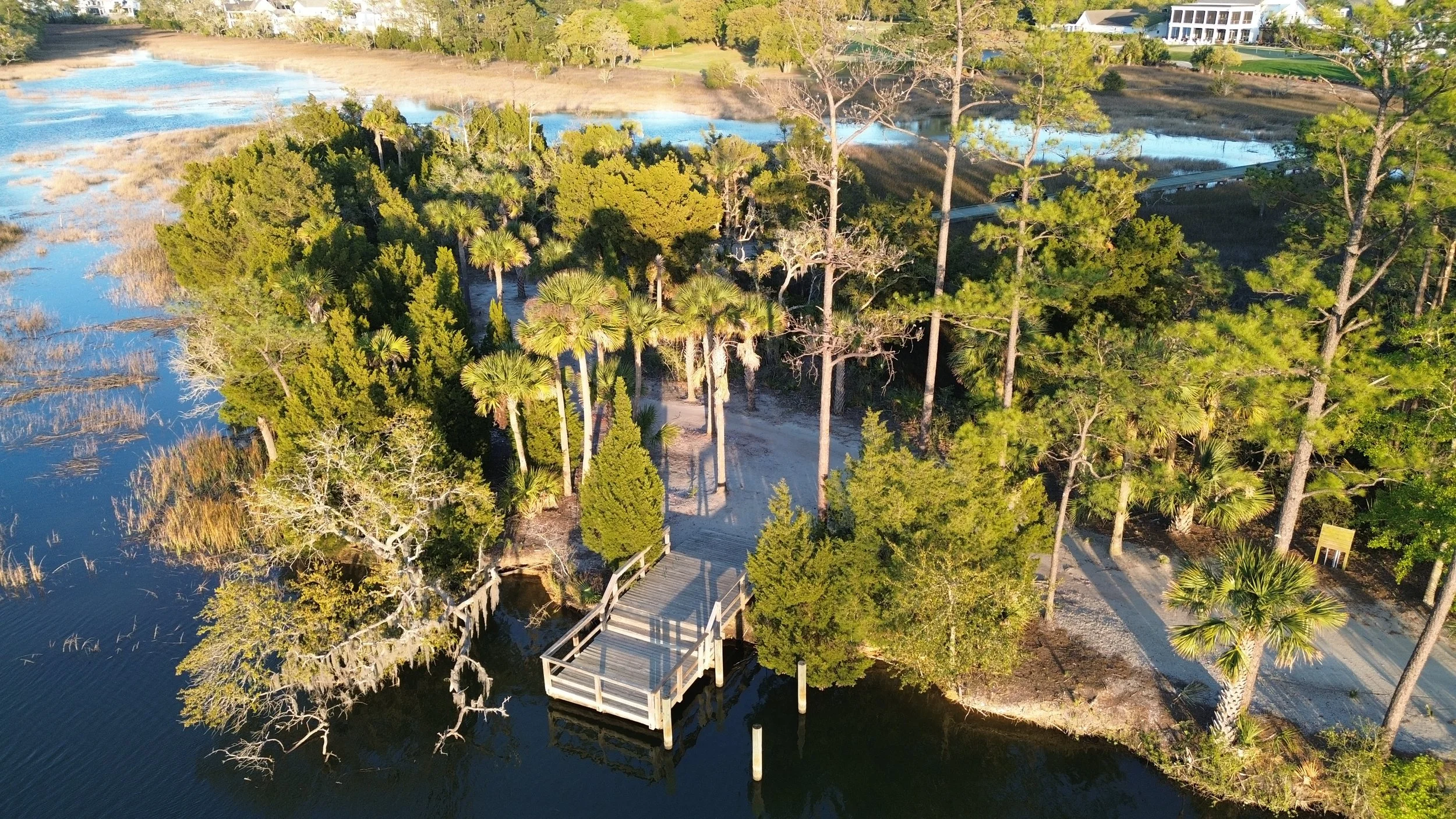
Flood zones are one of the most important factors to understand when buying a home in Charleston. Because of the region’s coastal geography, some properties require flood insurance while others do not. Knowing how flood zones work, how they impact insurance, and what they mean for long term ownership can help buyers make more confident decisions.
Why Flood Zones Matter in Charleston
Charleston’s proximity to the coast, rivers, and marshland makes flood risk a real consideration in certain areas.
However, not every home is in a high-risk flood zone.
Understanding how flood zones are classified and how they impact insurance and financing is a key part of buying in this market.
For many buyers relocating from inland areas, this is one of the biggest learning curves.
What Is a Flood Zone?
Flood zones are designated by FEMA and indicate the level of flood risk for a property.
These zones are based on historical data, elevation, and proximity to water.
They are used by lenders and insurance providers to determine whether flood insurance is required.
Common Flood Zones in Charleston
While there are several classifications, buyers will most often encounter the following:
Zone X (Low Risk)
• Typically not located in a high-risk flood area
• Flood insurance is usually not required by lenders
• Lower overall risk profile
Zone AE (High Risk)
• Higher likelihood of flooding
• Flood insurance is typically required
• Base Flood Elevation is established
Zone VE (Coastal High Risk)
• Located in coastal areas with wave action risk
• Strict building requirements
• Flood insurance required
Each of these zones carries different implications for both cost and long term ownership.
Flood Insurance Requirements
If a home is located in a high-risk flood zone such as AE or VE, most lenders will require flood insurance as part of the loan.
Flood insurance is separate from standard homeowners insurance.
Coverage is typically provided through:
• The National Flood Insurance Program
• Private insurance providers
Premiums vary based on:
• Elevation of the home
• Flood zone classification
• Construction type
• Coverage limits
This is one of the reasons it is important to understand flood zones early in the home search process.
Elevation and Its Impact
Two homes in the same flood zone can have very different insurance costs.
Why?
Elevation.
Homes built above the Base Flood Elevation may qualify for significantly lower insurance premiums.
This is where elevation certificates can become important, as they provide detailed information about the home’s height relative to flood risk levels.
Can You Buy in a Flood Zone Safely?
Yes. Many people live in flood zones throughout Charleston without issue.
The key is understanding:
• The specific flood zone
• The elevation of the home
• The cost of insurance
• The history of flooding in that area
Flood zones are a risk factor, not a guarantee of flooding.
With the right information, buyers can make informed decisions that align with their comfort level.
How Flood Zones Affect Resale Value
Flood zones can influence resale in a few ways:
• Some buyers may prefer lower-risk areas
• Insurance costs can impact affordability
• Proper elevation and construction can offset concerns
In many Charleston neighborhoods, homes in flood zones still maintain strong demand, especially when located in desirable areas.
Flood Zones and the Overall Cost of Ownership
Flood insurance is one part of the broader cost of owning a home in Charleston.
Buyers should evaluate:
• Property taxes
• Insurance (homeowners and flood)
• Maintenance and long term costs
I break down that bigger picture in Cost of Living in Charleston SC in 2026.
Flood zones also tie directly into insurance considerations, which I covered in Homeowners Insurance in Charleston: What Buyers Need to Know Before Closing.
What This Means for Buyers
The most important takeaway is this:
Flood zones should be understood, not feared.
Buyers who take the time to:
• Review flood maps
• Understand insurance requirements
• Evaluate elevation
• Ask the right questions
Are able to make confident and informed decisions.
Thinking About Buying in Charleston?
If you are exploring homes and want to better understand flood zones, insurance implications, or how different areas compare, I am always glad to help walk through it.
Every property is a little different, and having clarity early makes the process much smoother.
GET IN TOUCH WITH WES
Further Reading
If you are exploring a move to Charleston, these articles may also be helpful:
• Cost of Living in Charleston SC in 2026
• Homeowners Insurance in Charleston: What Buyers Need to Know Before Closing
• Why So Many People Are Moving to Charleston in 2026
Carolina One Real Estate | Market Insights Disclosure
Disclaimer: The information provided in this blog is for informational and educational purposes only and does not constitute legal, financial, or investment advice. Market conditions in Charleston and surrounding areas are subject to change without notice. Readers are encouraged to conduct independent due diligence and consult with appropriate professional advisors before making real estate decisions.
Primary Sources
• Federal Emergency Management Agency (FEMA)
https://www.fema.gov
Flood zone maps, classifications, and risk data
• National Flood Insurance Program (NFIP)
https://www.floodsmart.gov
Flood insurance requirements and coverage details
• South Carolina Department of Natural Resources
https://www.dnr.sc.gov
Floodplain management and coastal data
