
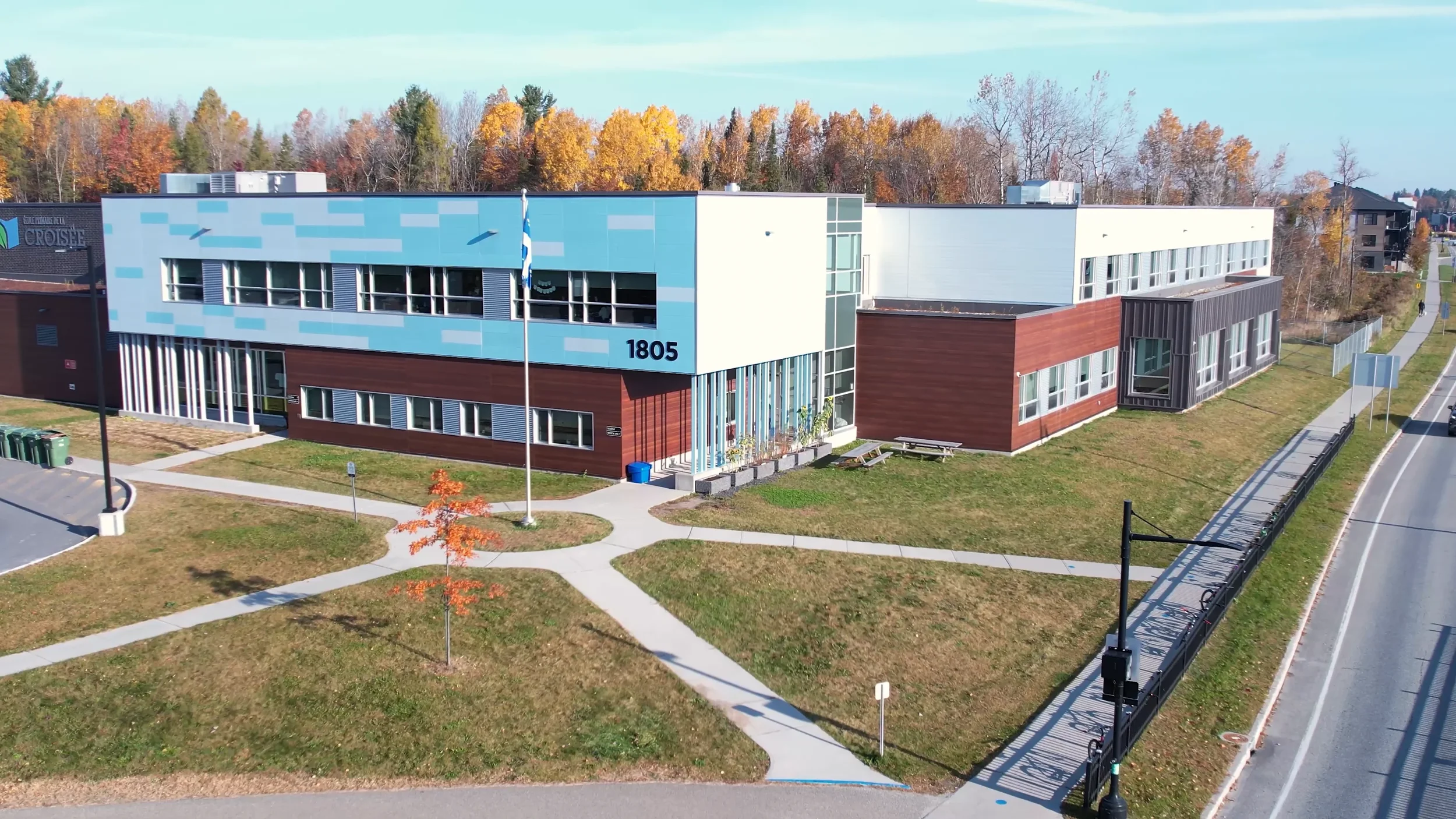
If schools are part of your decision when moving to Charleston, understanding how zoning works and what options are available is essential. The Charleston area includes multiple school districts, and assignments vary by location. Knowing how this fits into your home search can help you make a more confident decision.
How Do Schools Work in the Charleston Area?
If you are considering a move to Charleston, one of the first questions you may have is how schools are structured and how they impact where you live.
The Charleston region is not served by a single district.
Instead, it includes multiple districts depending on location, including:
• Charleston County School District
• Berkeley County School District
• Dorchester School District Two
This means that where you choose to live will determine not only your assigned school, but also which district you are in.
For example:
• Mount Pleasant, West Ashley, and downtown Charleston are within Charleston County
• Daniel Island, Goose Creek, and many areas along Clements Ferry are within Berkeley County
• Some outer areas near Summerville are part of Dorchester District Two
Understanding these boundaries is an important first step in the home search process.
How School Zoning Works
In most cases, public school assignments are based on zoning.
That means a specific home is assigned to designated elementary, middle, and high schools based on its location.
Because district and zoning lines can be very specific, two homes just a few streets apart may be assigned to different schools or even different districts.
This is why verifying zoning for a specific property is always important.
What Are Your Options Beyond Zoned Schools?
Zoned schools are the default, but they are not the only option.
The Charleston area offers several additional school choices:
• Magnet schools
• Charter schools
• Private schools
• Specialty and application-based programs
Each option has its own process, availability, and admission requirements.
Because of this, some buyers focus strictly on zoned schools, while others consider a broader range of options when choosing where to live.
Which Areas Do Buyers Typically Consider?
Many people moving to the Charleston area begin by exploring locations that consistently come up in relocation conversations.
These often include:
• Mount Pleasant
• Daniel Island
• West Ashley
• Johns Island
• Goose Creek and surrounding Berkeley County areas
Each of these areas offers a different combination of housing, lifestyle, commute, and school options.
Rather than focusing on rankings, it is more useful to evaluate how a specific area aligns with your priorities and day to day life.
How Schools Impact Home Values
Schools are not just a lifestyle factor. They can also influence real estate.
In many markets, including Charleston, areas with consistent demand related to schools often see:
• Strong buyer interest
• More stable home values
• Faster resale activity
Schools are one of several factors that influence pricing and demand. I explain the broader picture in What Actually Determines Home Values in a Changing Market.
Where Should You Look for Accurate Information?
Because districts, zoning, and programs can change, it is important to rely on current and verified sources.
Helpful resources include:
• Charleston County School District
• Berkeley County School District
• Dorchester School District Two
• GreatSchools.org
• South Carolina Department of Education
These sources provide updated information on zoning, programs, and school performance.
How Schools Fit Into the Bigger Decision
Schools are one part of a larger decision when moving to Charleston.
Other factors to consider include:
• Cost of living
• Neighborhood feel and location
• Commute and daily convenience
• Long term growth of the area
I break down those factors further in Cost of Living in Charleston SC in 2026 and Why So Many People Are Moving to Charleston in 2026.
Looking at everything together helps create a clearer picture of what will work long term.
What This Means for You
There is no single answer to which area is the right fit.
The right choice depends on:
• Your priorities
• Your flexibility with school options
• How schools fit into your overall lifestyle
Taking the time to understand how districts and zoning work in the Charleston area will make your home search more focused and more efficient.
Thinking About Moving to Charleston?
If you are trying to narrow down areas or want to better understand how schools, neighborhoods, and home values all connect, I am always happy to help walk through it with you.
Every situation is different, and having clarity early can make a big difference.
Carolina One Real Estate | Market Insights Disclosure
Disclaimer: The information provided in this blog is for informational and educational purposes only and does not constitute legal, financial, or investment advice. Market conditions in Charleston and surrounding areas are subject to change without notice. Readers are encouraged to conduct independent due diligence and consult with appropriate professional advisors before making real estate decisions.
Primary Sources
• Charleston Regional Development Alliance (CRDA)
https://www.crda.org
• Berkeley County Economic Development
https://berkeleycountysc.gov
• City of Charleston Planning Department
https://www.charleston-sc.gov
• U.S. Census Bureau
https://www.census.gov
